Whether you've had a joint replacement, ligament repair, or spinal procedure, the first six weeks after surgery set the tone for your entire recovery. Understanding what to expect at each stage helps you stay motivated and reduces the anxiety that often comes with rehabilitation.
Week 1-2: Protecting the Repair
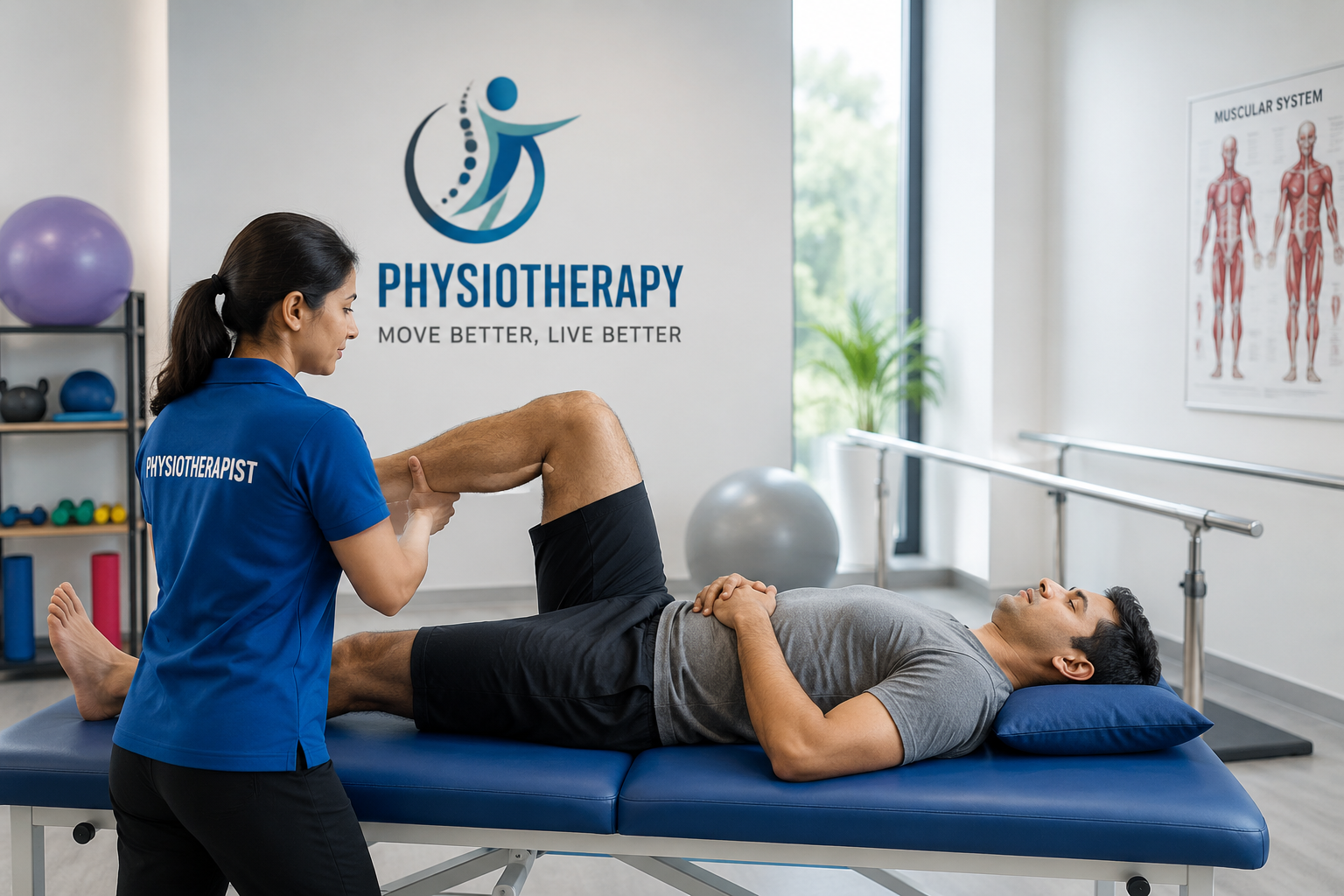
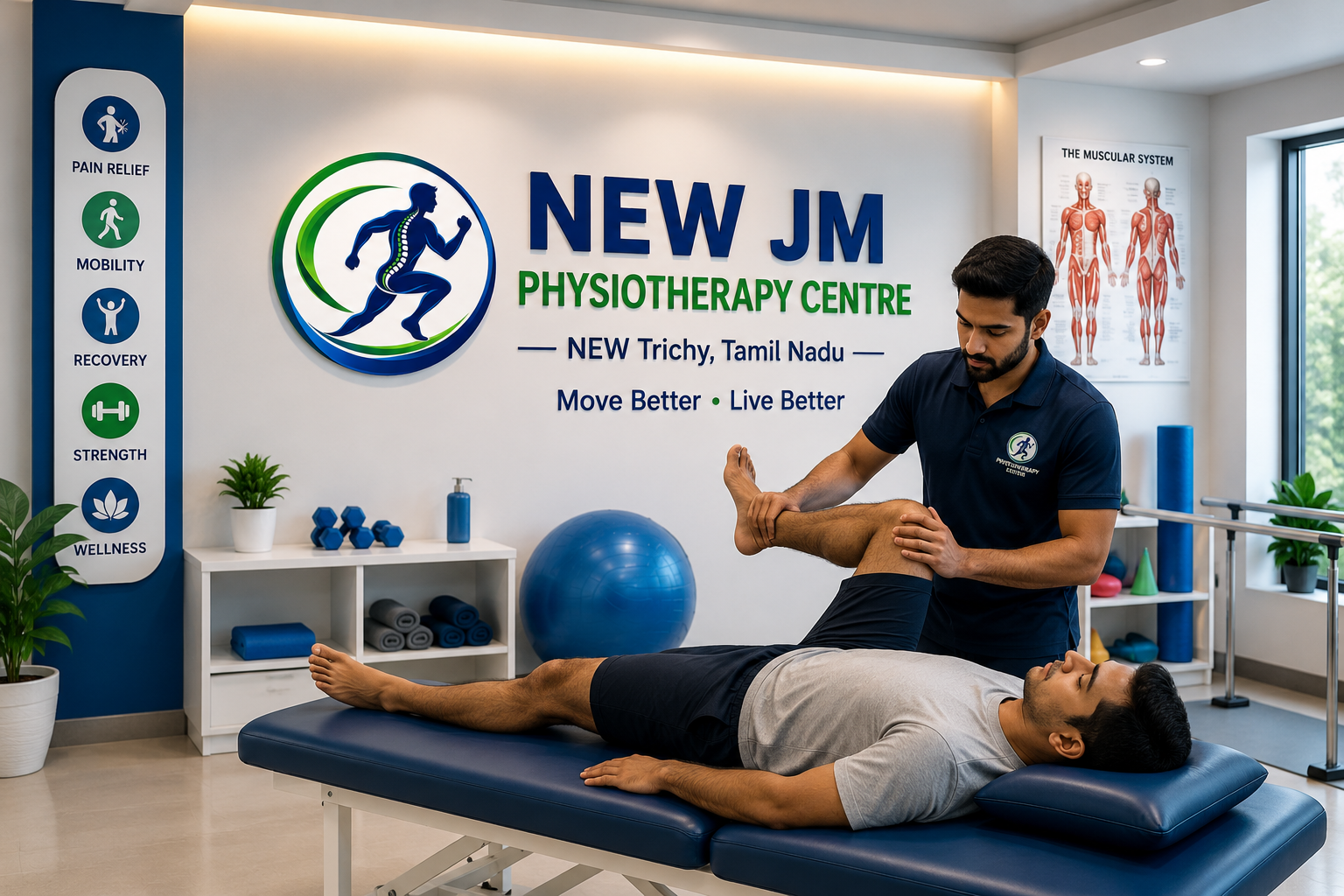
Early rehabilitation focuses on controlling swelling, protecting the surgical site, and reintroducing very gentle movement. Your physiotherapist will guide you through safe positioning, light range-of-motion exercises, and, where relevant, correct use of walking aids.
Week 3-4: Rebuilding Movement
As swelling settles, exercises typically progress to restoring fuller joint movement and gently activating the surrounding muscles that may have weakened during immobilisation. Sessions become more structured, often with specific goals set for each week.
Week 5-6: Building Strength and Confidence
By this stage, most patients begin functional exercises that mimic daily activities like walking longer distances, climbing stairs, or standing from a chair without support. This is also when many people start feeling confident enough to return to light routines, though your physiotherapist will confirm readiness based on your progress, not the calendar alone.
Why Consistency Matters More Than Speed
It's natural to want to rush back to normal life, but skipping sessions or overdoing exercises too early can undo weeks of progress. Sticking to your prescribed plan, even when improvement feels slow, is what leads to the strongest and most durable recovery outcomes.