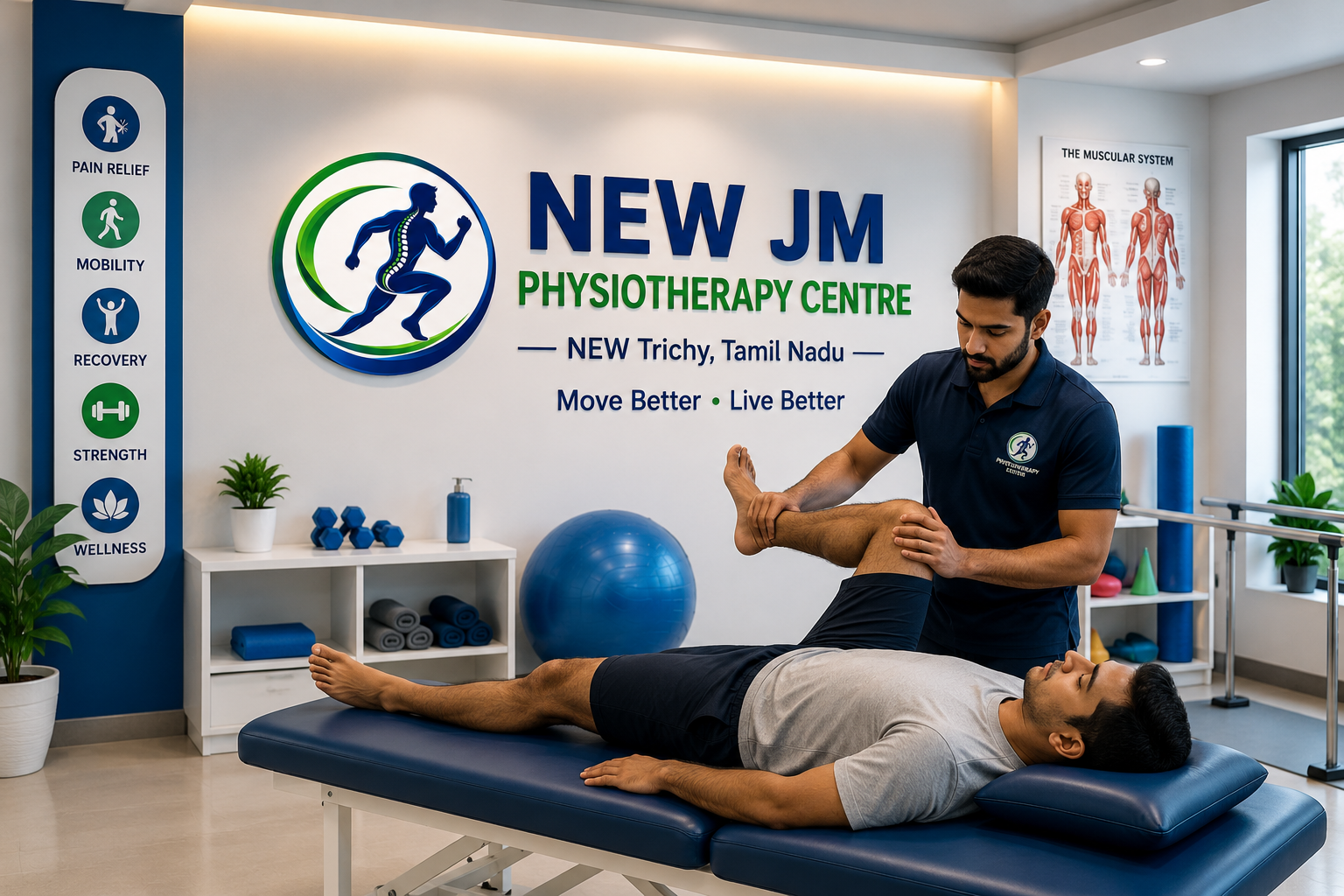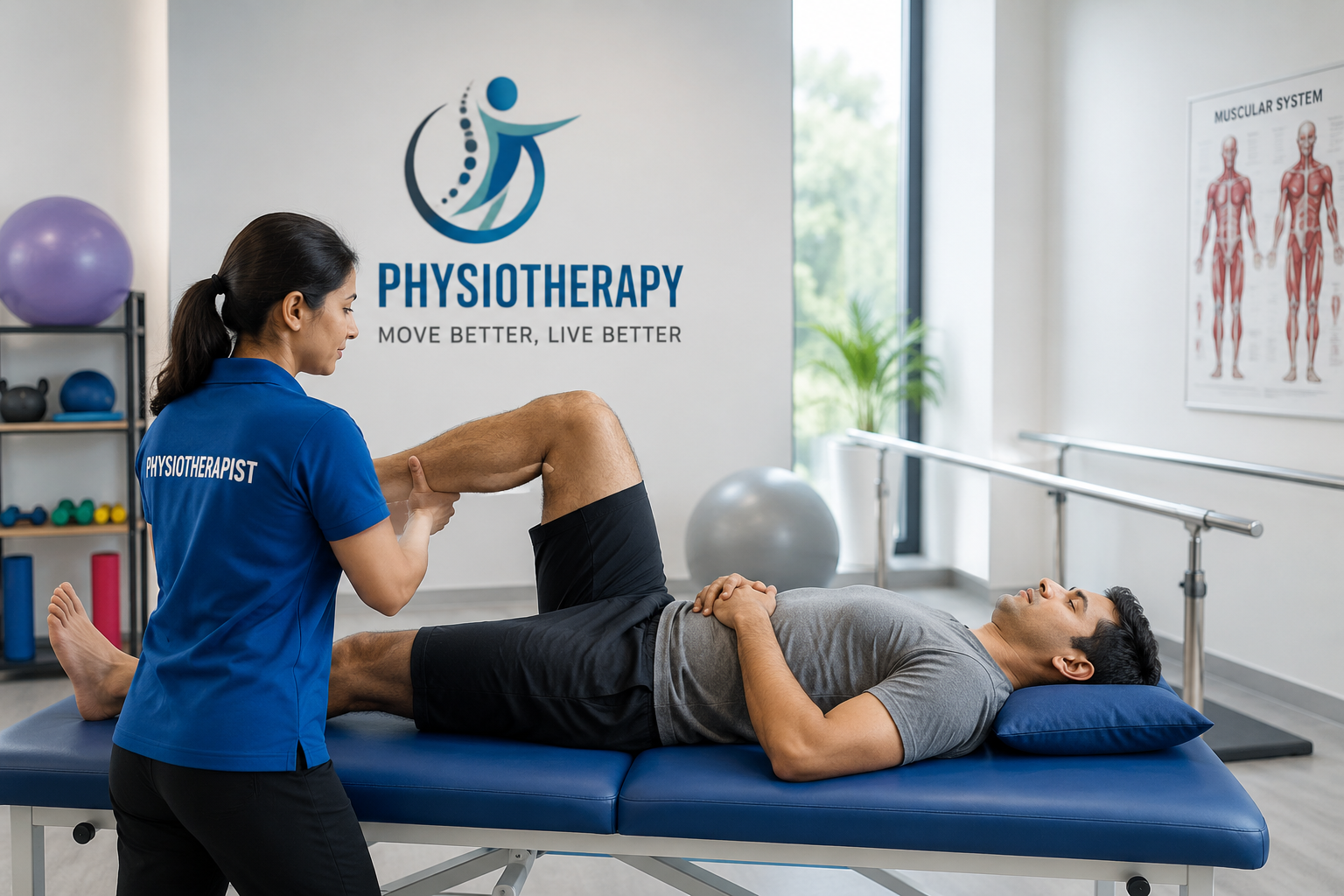
Lower back pain is one of the most common reasons patients walk through our doors at New J.M Physiotherapy Centre. The good news is that a large share of everyday back discomfort responds well to gentle, consistent movement done at home, especially when it's not linked to a serious underlying condition.
Why Movement Helps More Than Rest
It's tempting to stay still when your back hurts, but prolonged inactivity often stiffens the muscles supporting your spine and can make pain linger longer. Gentle, controlled stretching keeps blood flowing to the area, eases muscle tension, and gradually restores the range of motion your back needs for everyday tasks like bending, sitting, and lifting.
5 Stretches You Can Try Today
1. Knee-to-chest stretch: Lie on your back, gently pull one knee toward your chest, hold for 20-30 seconds, and switch sides. This lengthens the lower back muscles without straining them.
2. Cat-cow stretch: On hands and knees, alternate between arching and rounding your back slowly. This mobilises the spine segment by segment and is especially soothing first thing in the morning.
3. Child's pose: Sit back onto your heels with arms extended forward, letting your spine relax into a gentle stretch. Hold for 30 seconds while breathing deeply.
4. Pelvic tilts: Lying on your back with knees bent, gently flatten your lower back against the floor by tightening your abdominal muscles, then release. This builds core support for your spine.
5. Seated spinal twist: Sitting upright, gently rotate your torso to one side, holding the back of your chair for support. This restores rotational mobility that stiffens with long hours of sitting.
When to See a Physiotherapist
If your pain persists beyond a week or two, radiates down a leg, or is accompanied by numbness or weakness, it's time for a professional assessment rather than continuing to self-manage. Our physiotherapists can identify the underlying cause and build a tailored recovery plan around it.